
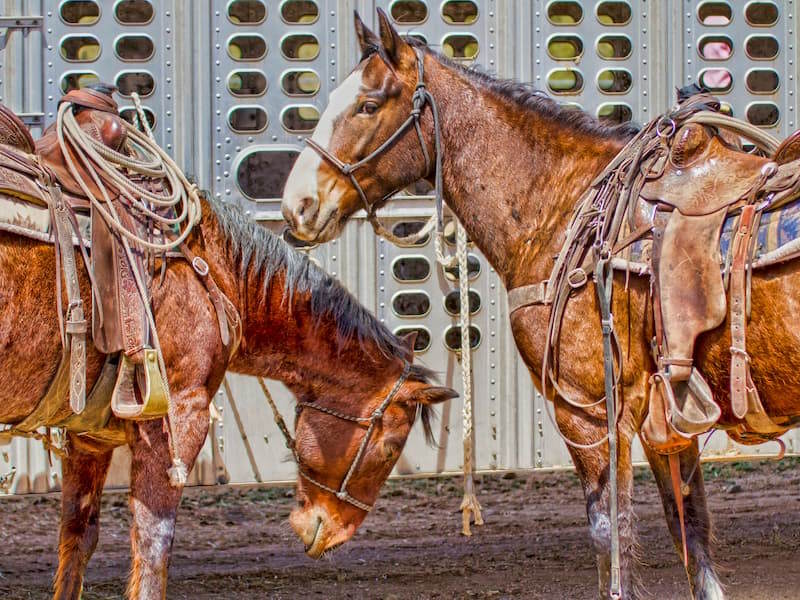
Horse Properties
What to know before you buy or sell in the horse properties segment of the Scottsdale market.
Never assume a property allows horses because the listing says horse property. Verify the zoning designation, the permitted animal count and any HOA restriction in writing before your inspection period ends. In the Greater Phoenix area, horse privileges depend on the jurisdiction, the lot size and the recorded community documents, and all three have to agree. Shawn Shackelton works equestrian parcels in Cave Creek, Carefree and the North Scottsdale area, where most of the region's horse inventory sits.
What do I verify on an Arizona horse property?
Zoning and the maximum number of animals permitted for that lot size, confirmed with the jurisdiction rather than the seller. HOA rules, because a permissive zoning designation does not override a restrictive CC and R. Water, including the source, the well share agreement if one exists, and whether flow supports both household and livestock use. Manure management and setback requirements from wells, washes and property lines. Trail access, whether it is a recorded easement or an informal courtesy. And the condition of existing improvements: barn, stalls, arena footing, fencing, automatic waterers and the tack and feed storage.
Where are the horse properties in the Scottsdale area?
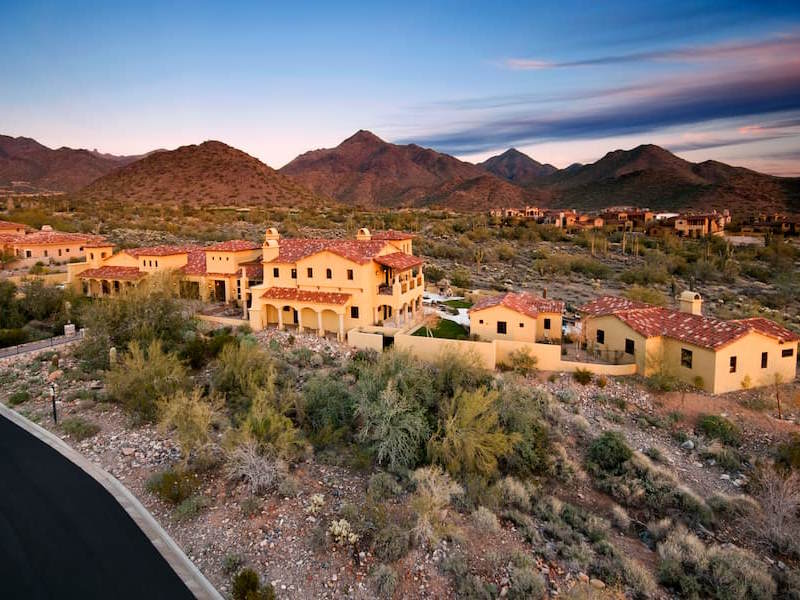
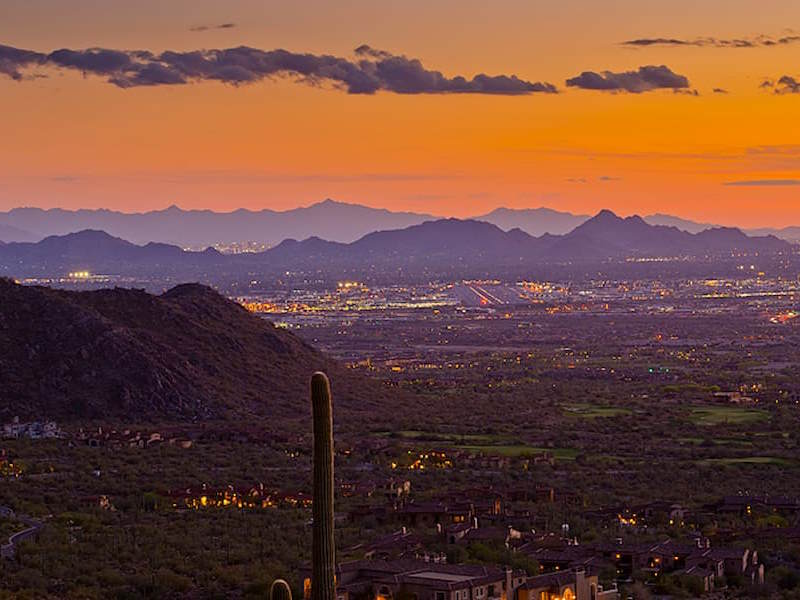
The largest concentrations are in Cave Creek, portions of Carefree, unincorporated county pockets around North Scottsdale, Rio Verde and Fountain Hills, and further out in the Southeast Valley toward Queen Creek and San Tan Valley. Inside Scottsdale city limits, horse privileged parcels exist but are limited and command a premium.
What makes a good arena and turnout?
Drainage first, then footing. Arizona soils compact hard, so an arena with proper base preparation and a maintained footing mix rides completely differently from a graded dirt pad. For turnout, look at shade structure, footing that does not turn to deep sand or slick clay, and water access that does not require dragging hoses in July. Ask when the arena was last reworked and what the footing material actually is.
Does a horse property cost more to own?
Yes, and the operating cost belongs in your purchase math. Water use, feed storage, manure removal, arena maintenance, fence repair, additional insurance and higher landscape and equipment costs all apply. Buyers coming from a standard suburban home consistently underestimate the annual figure.
Other property types
Horse Properties questions answered
How many horses can I keep on my property in Arizona?
It depends on the jurisdiction and the lot size, and some HOAs restrict further or prohibit horses entirely. Confirm the permitted count with the city, town or county that governs the parcel, and read the community documents, before you rely on any number.
Do I need a well for a horse property?
Not necessarily. Many horse properties are on municipal water. Where a well is present, verify registration, recent flow and water quality testing, and the shared well agreement if the well serves more than one parcel, because livestock use raises demand meaningfully.
Is trail access guaranteed?
Only if it is a recorded easement. Informal access across a neighbor's land can end when the neighbor sells. Have the title company identify recorded equestrian easements during your inspection period.
Let's connect
Tell me what you are trying to accomplish and by when. I will reply personally, usually the same business day.
This form prepares an email draft. Send it from your email app to deliver your inquiry, or call 480.734.7277.